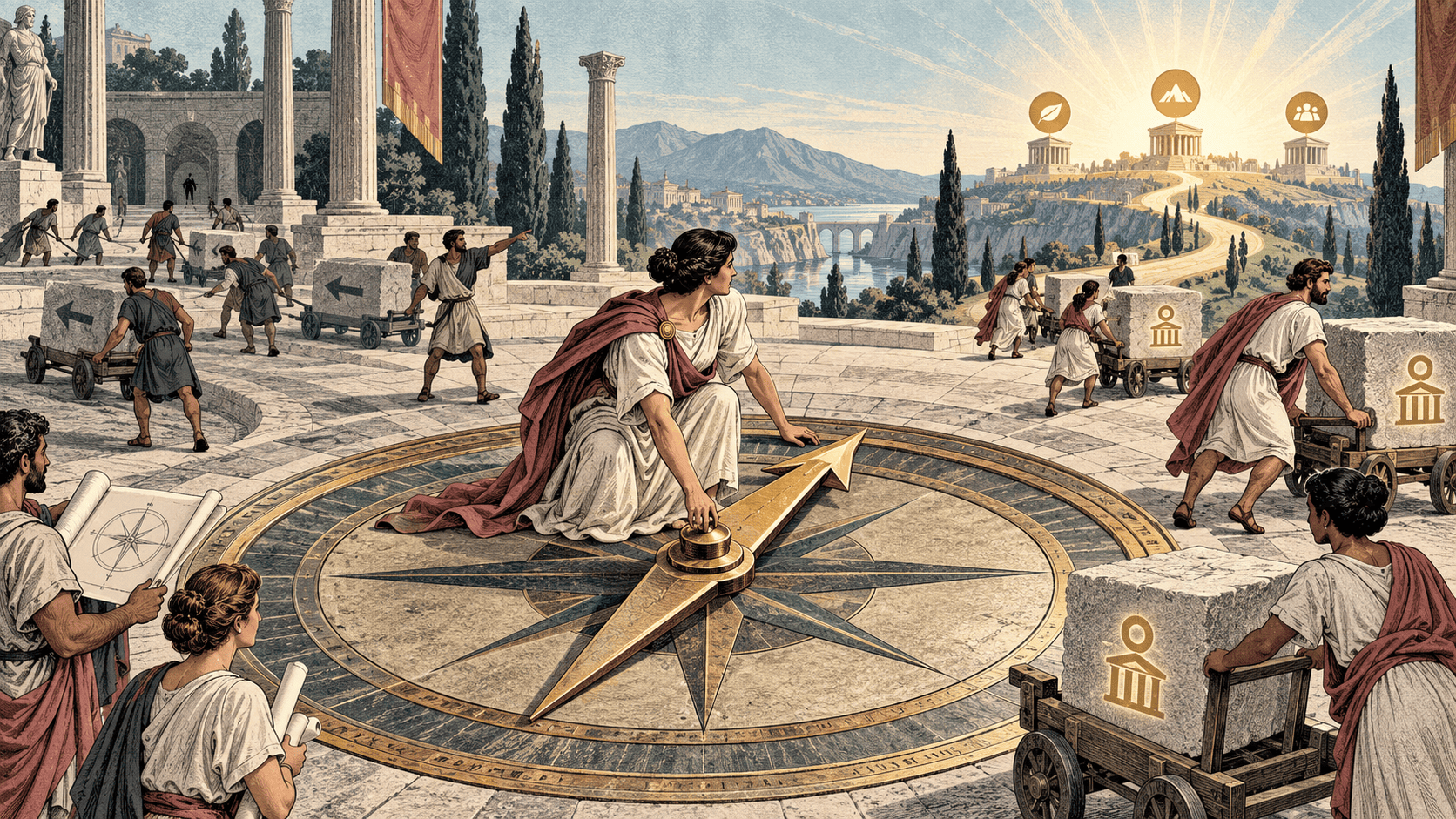
The right event planning software depends entirely on your specific event type. Different platforms specialize in features tailored for corporate conferences, virtual webinars, or social gatherings, and choosing based on a general "best tools" list instead of your actual use case is how teams end up paying for features they never touch.
The Four Platform Categories
- All-in-one enterprise platforms. Tools built for organizations running multiple large-scale events, with strict security, compliance, and multi-event management requirements, typically at enterprise pricing.
- Registration and ticketing tools. Best when signups and ticket sales are the primary concern, rather than full logistics or venue management.
- Virtual and hybrid event platforms. Specialize in online conferences with networking features and virtual booths, built for distributed audiences.
- Retreat and offsite-focused platforms. For teams managing sales kickoffs, offsites, retreats, and client events, platforms that centralize sourcing, budgeting, registration, and reporting provide the strongest efficiency and ROI, as distinct from ticketing or conference-focused tools.
When You Don't Need Dedicated Software at All
Not every event justifies a new platform. Some teams can reasonably ask whether spreadsheets and calendar invites will do the job, and the investment in dedicated software typically pays off once event complexity or frequency crosses a certain threshold. A single internal team meeting rarely needs the same tooling as a recurring company-wide conference.
What to Actually Evaluate
- Fit with your specific event types. Consider your event types, technical requirements, budget constraints, and integration needs with existing corporate systems before comparing feature lists.
- Integration with existing systems. CRM integration matters for lead tracking, calendar integration matters for internal events, and neither shows up clearly in a marketing page.
- Onboarding and support model. Some platforms are optimized for rapid self-service setup, while others require onboarding and configuration support, which changes the real time-to-value significantly.
- Total cost of ownership, not sticker price. Per-event, per-user, and enterprise pricing models produce very different totals depending on how often you actually run events.
How to Choose, Step by Step
Step 1: Categorize your primary event type
Are you mostly running external conferences, internal offsites, virtual webinars, or a mix? This single decision eliminates most of the platform list immediately.
Step 2: List your must-have integrations before demoing anything
CRM sync, calendar integration, and internal communication tools you already use should be non-negotiable filters, not a nice-to-have discovered mid-demo.
Step 3: Request trials or demos with your actual event, not a canned one
Requesting interactive demos before purchase is consistently cited as the most effective way to evaluate whether a tool fits your team's real workflow, far more than reading a comparison chart.
Step 4: Match the tool to the specific event type it's being bought for
A general-purpose registration platform can technically run an offsite, but a platform built specifically for retreats and offsites will handle sourcing, budgeting, and pre-work in ways a ticketing tool never will. If your primary need is company retreats and leadership offsites specifically, rather than public conferences, a purpose-built tool that handles pre-work questions, agenda drafting, and post-retreat follow-through, the way Throughline does, is a genuinely different category from a general event registration platform, even if both get marketed under "event planning software."
Step 5: Pilot on one event before committing company-wide
Run your next event on the shortlisted tool before signing an annual contract. What looks complete in a sales demo sometimes reveals real gaps once actual attendees, actual vendors, and actual deadlines are involved.
Platform Category Comparison
| Category | Best for | Watch out for |
|---|---|---|
| All-in-one enterprise | Large, complex, recurring events | Higher cost, longer onboarding |
| Registration & ticketing | Signups and ticket sales as primary need | Limited logistics or budgeting features |
| Virtual & hybrid | Distributed audiences, online conferences | Less useful for purely in-person events |
| Retreat & offsite-focused | Company retreats, leadership offsites | Not built for public-facing conferences |
Quick Checklist
- Primary event type identified before comparing platforms
- Must-have integrations listed before any demo
- Real event used in trial or demo, not a canned walkthrough
- Tool category matched to actual use case, not just feature count
- Piloted on one real event before a company-wide commitment
Copy-Paste Scripts
Requesting a demo scoped to your actual event:
"Before we commit, can we run a demo using our actual [event type], including our real integrations with [CRM/calendar tool]? We want to see how it handles our specific workflow, not a generic walkthrough."
Presenting a tool recommendation to leadership:
"Based on our event mix, [tool] fits our needs best because [reason tied to event type], and we piloted it on [event] before recommending a company-wide rollout."
FAQ
Do all corporate teams need dedicated event planning software?
No. Teams running occasional or simple internal events can often manage with spreadsheets and calendar tools, while frequent or complex events justify dedicated software.
What's the difference between registration tools and all-in-one platforms?
Registration tools focus narrowly on signups and ticketing, while all-in-one platforms cover the full event lifecycle from sourcing through post-event analytics.
How important are integrations when choosing event software?
Very. CRM and calendar integration gaps are often only discovered after purchase if they're not checked during evaluation.
Should retreats and offsites use the same tool as public conferences?
Not necessarily. Purpose-built retreat and offsite platforms handle pre-work, agenda drafting, and follow-through differently than conference-focused ticketing tools.
What's the best way to evaluate an event planning tool before buying?
Request a demo or trial using your actual event details and integrations, rather than relying on a generic feature comparison.
Your Next Step
Categorize your primary event type this week, list your must-have integrations, and request a demo built around your actual event, not a generic one.