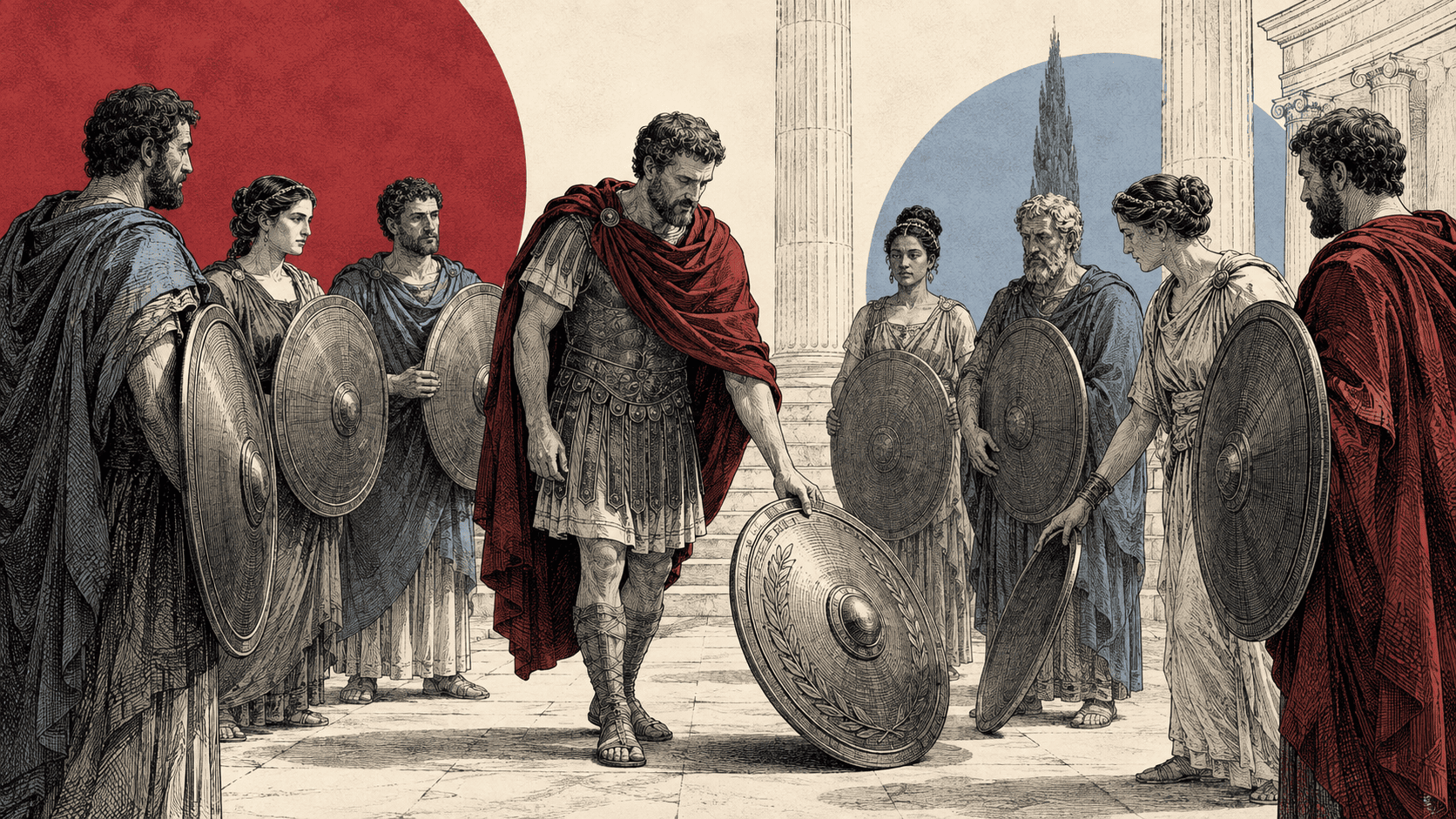
Even senior, experienced leaders default to caution when they don't feel safe. If leaders do not feel safe sharing their real opinions, they will default to polite, surface-level conversations, which means clear ground rules on confidentiality and active participation need to be established explicitly, not assumed.
Psychological Safety Is Built, Not Declared
Announcing that a retreat is a "safe space" doesn't make it one. Structuring the agenda around a Trust Loop, where a leader takes a vulnerable step, sharing a real challenge or admitting a mistake, and receives a respectful, supportive response from peers, builds the mutual respect that lets a team tackle tough questions without fear of judgment. Someone has to go first, deliberately, usually the most senior person in the room.
This isn't about turning the retreat into therapy. The purpose stays practical: help people recognize the habits shaping performance, take ownership of their responses, and make clearer agreements about how they'll work together, grounded in real business problems rather than abstract vulnerability for its own sake.
The Case for Stepping Back as the Most Senior Leader
If you're the owner or the most senior executive in the room, resist the urge to facilitate. Your presence as a facilitator can silence honest feedback or creative thinking even unintentionally, so empowering a trusted operator, like a COO or Director of Operations, to run the day creates real psychological safety for the rest of the team. Stepping back lets you listen, observe, and gain real insight into what's actually happening, instead of unconsciously steering the room toward what you want to hear.
Anonymous Input Still Matters at the Top
Even in a room full of executives who theoretically have equal standing, hierarchy still shapes what gets said out loud. Anonymous input, whether through an online platform, surveys, or a dedicated feedback channel that doesn't identify the sender, remains necessary to gather honest feedback from all members, including senior leaders who might otherwise hold back around a CEO or founder in the room.
Giving people advance notice matters too. Providing questions in advance, even for an open discussion format, gives each person time to reflect and feel comfortable with their response before contributing live, rather than putting people on the spot to generate a thoughtful answer in real time.
How to Get Real Feedback, Step by Step
Step 1: Send anonymous pre-work questions before the retreat
Gathering input in writing, in advance, and anonymously, surfaces things people won't say out loud in the room, especially early in the retreat before trust has been established. This is exactly what Throughline's Anonymous Pre-Work is built for: two-minute, no-login questions sent to the team with answers anonymous even to the leader who asked, so the resulting agenda reflects what people actually think rather than what they're comfortable saying to a facilitator's face.
Step 2: Have the most senior leader go first with real vulnerability
A specific, honest admission from the top of the room, not a generic "we all have room to grow" statement, sets the tone for everyone else far more effectively than any ground rule read aloud at the start.
Step 3: Bring in an outside facilitator or empower an internal non-executive
Whoever runs the room shouldn't be the person whose feedback everyone is most anxious about giving. An external facilitator or a trusted operations leader changes the dynamic meaningfully.
Step 4: Give people the questions in advance, even for live discussion
Reflection time produces more honest answers than put-on-the-spot responses. Share discussion prompts a few days ahead so people arrive with a considered answer rather than a first reaction.
Step 5: Respond to hard feedback without defensiveness, visibly
The single fastest way to destroy psychological safety is delivering, or receiving, feedback badly. When someone takes the risk to say something difficult, the room is watching how leadership responds, and that response either reinforces or destroys the safety needed for the rest of the retreat.
Feedback Method Comparison
| Method | Best for | Watch out for |
|---|---|---|
| Anonymous pre-work survey | Surfacing issues before the room forms an opinion | Needs genuine anonymity to work |
| Live discussion with advance questions | Building on surfaced themes together | Still shaped by who's in the room |
| Senior leader vulnerability moment | Setting the tone for the whole retreat | Must be specific and genuine, not performative |
| External facilitator | Removing hierarchy from the room dynamic | Requires real trust-building with the facilitator first |
Quick Checklist
- Anonymous pre-work questions sent before the retreat, not just live discussion planned
- Ground rules on confidentiality and participation stated explicitly
- Most senior leader prepared to model real, specific vulnerability first
- External facilitator or non-executive operator running the room where possible
- Discussion questions shared in advance, not sprung on attendees live
- Leadership's response to hard feedback planned and genuinely non-defensive
What to say
Introducing anonymous pre-work to the leadership team:
"Before the retreat, everyone will get a short set of anonymous questions. Your answers won’t be attributed, even to me, so please be as honest as you can. This shapes the actual agenda."
Modeling vulnerability as the senior leader:
"I want to start by naming something I got wrong this quarter: [specific example]. I’m sharing this because I want this retreat to be a place where we can actually say what’s not working, starting with me."
FAQ
Why don't leadership teams give honest feedback by default?
Without explicit psychological safety and clear ground rules, even senior leaders default to polite, surface-level conversation.
Should the most senior leader facilitate their own leadership retreat?
Generally no. Their presence as facilitator can unintentionally silence honest feedback, even when that's not the intent.
Is anonymous feedback still necessary among senior executives?
Yes. Hierarchy shapes what gets said even at the top of an organization, so anonymous input remains valuable.
What's the fastest way to destroy trust during a leadership retreat?
Responding defensively when someone offers hard feedback. The room watches that reaction closely and calibrates their own openness accordingly.
Should discussion questions be shared before the retreat?
Yes, where possible. Advance notice gives people time to reflect and produces more thoughtful, honest responses than put-on-the-spot answers.
Your Next Step
Draft your anonymous pre-work questions this week, and decide who besides the most senior leader will facilitate the room.