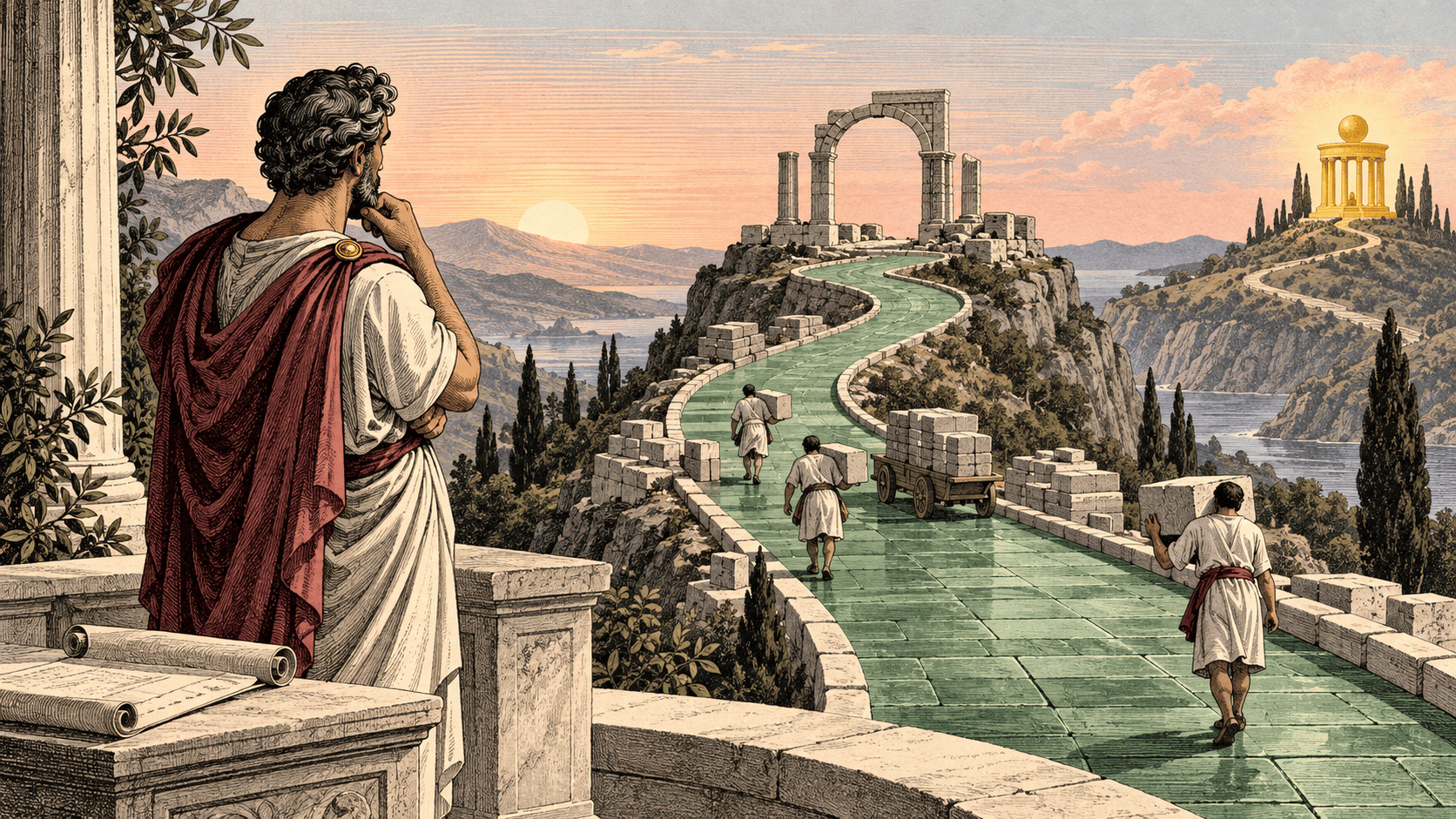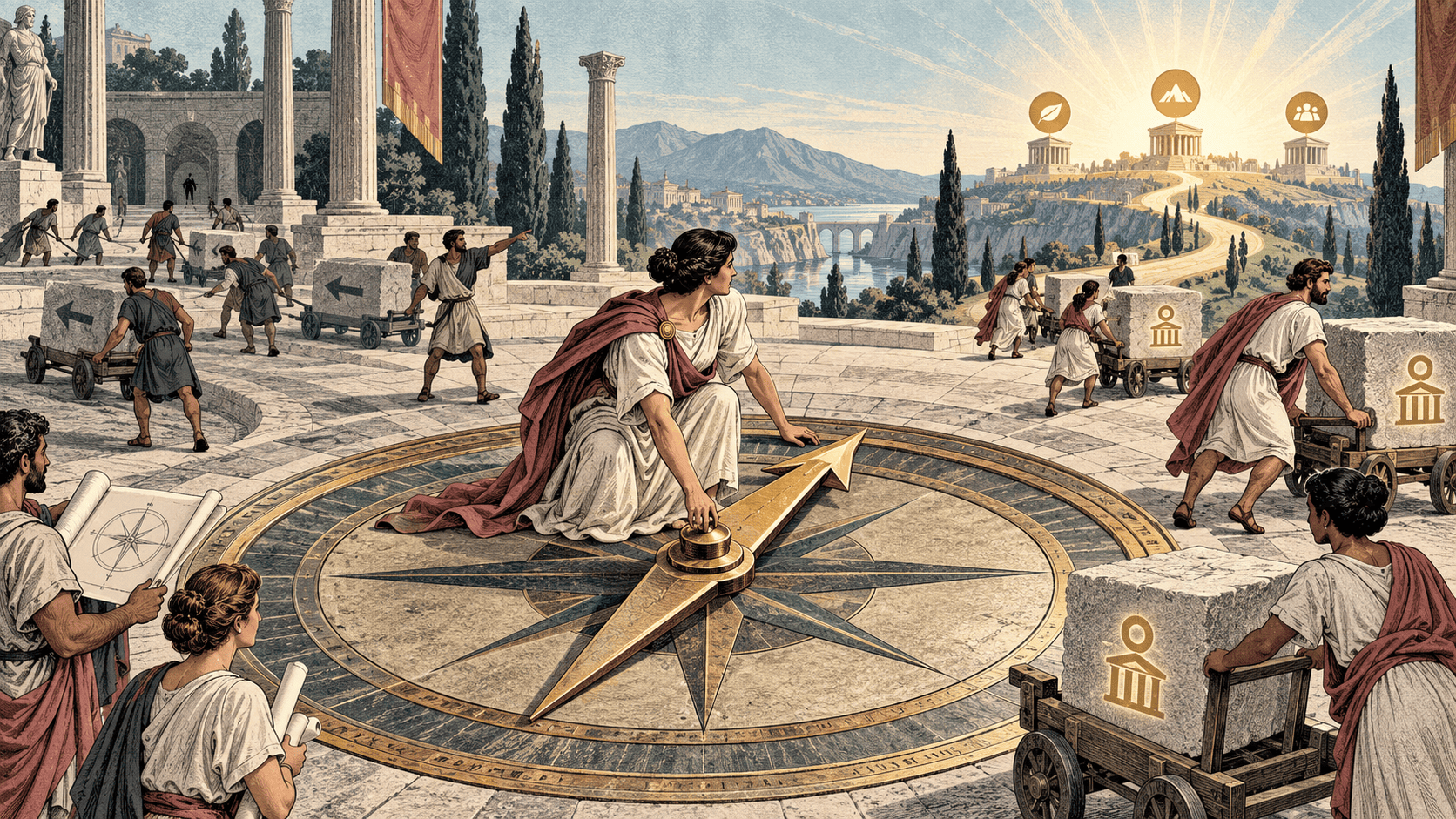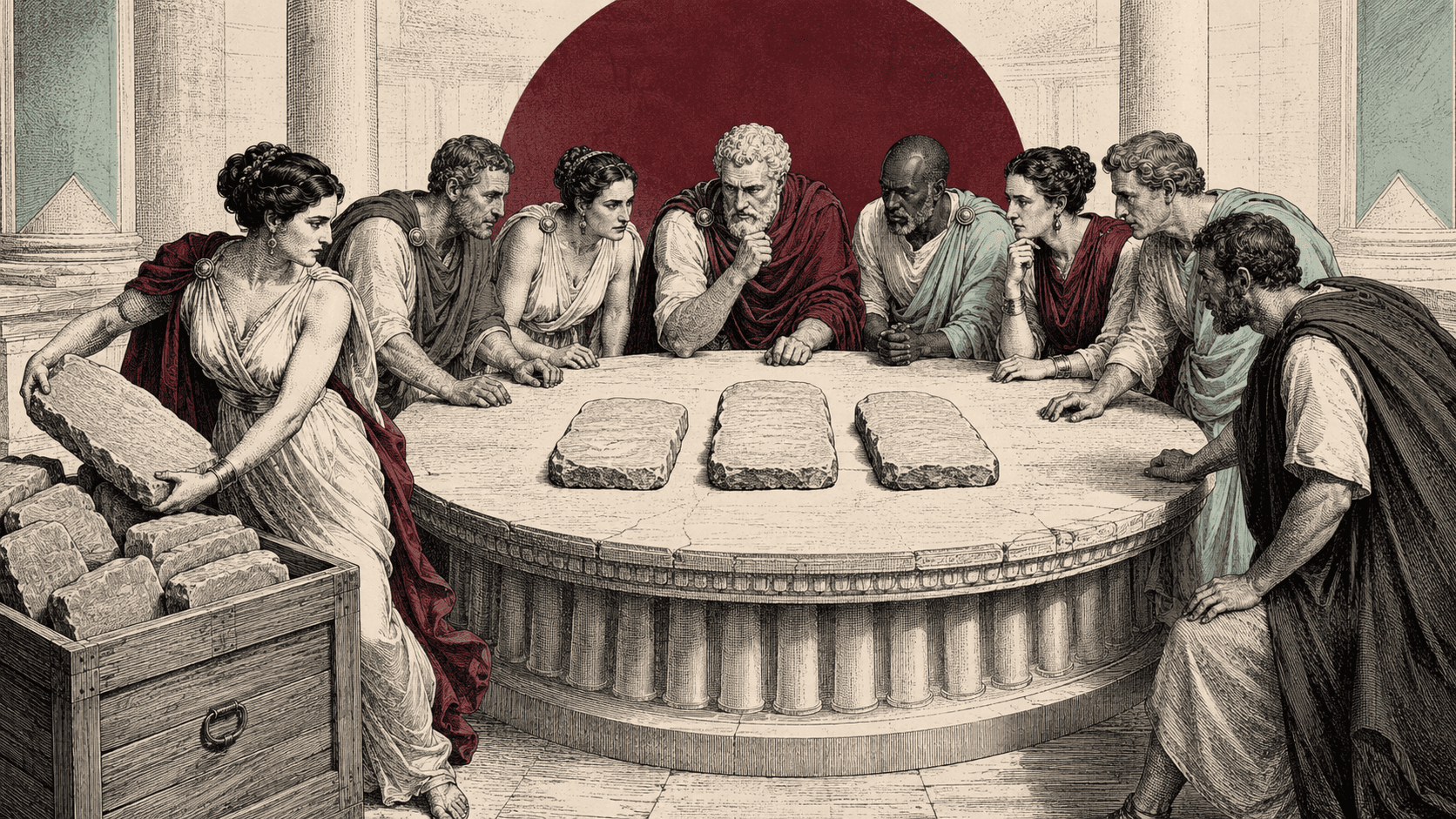
A leadership retreat is most useful when the team knows what it needs to accomplish before everyone arrives. Start with the outcome, not the activities, and build enough structure to reach those goals while leaving room for the conversations that can't happen during a normal workweek.
The agenda should also serve the objective directly, not the other way around. Be sure the agenda aligns with the objective and the reason for holding the retreat in the first place, whether that's specific new skills, executive team bonding, or something else entirely, since conflating these goals is a common way agendas end up trying to do too much at once.
The 70/30 (or 60/25/15) Time Allocation
Two closely related frameworks show up consistently in how experienced planners structure leadership retreat time. One version balances 60 to 70 percent strategic work, 20 to 25 percent relationship building, and 10 to 15 percent breaks and personal time, while a simpler version calls it the 70/30 rule: 70 percent focused strategy work and 30 percent relationship building and rest. Either framing points to the same principle: leadership retreats should lean more heavily toward strategic work than a general team retreat, but never so far that relationship building and rest disappear entirely.
Why the Closing Block Isn't Optional
Every successful leadership retreat agenda ends with a dedicated closing block, typically 30 to 60 minutes, not squeezed into the last five minutes before departures. This block covers a summary of key decisions, assignment of owners and deadlines, and individual or team commitment statements. Placing it at least 30 minutes before the earliest planned departure keeps it from getting rushed or cut when the schedule inevitably runs long elsewhere.
Common Leadership Retreat Agenda Mistakes
- Overloading the agenda. Trying to solve every company problem in two days is a recipe for burnout. Limiting the retreat to two or three primary strategic objectives keeps the agenda focused enough to actually work.
- Choosing a distracting or too-convenient venue. A distraction-free location, ideally 60 to 90 minutes from the office, supports deep reflection better than a venue so close it feels like just another meeting room.
- No pre-work. Sending the agenda to participants before the retreat, and gathering input ahead of time, builds momentum and excitement rather than starting cold on day one.
- Squeezing the close into the final five minutes. This is the single most common way a productive retreat fails to produce lasting change, since decisions made without named owners tend to dissolve within weeks.
How to Build the Agenda, Step by Step
Step 1: Name two or three primary strategic objectives, no more
Write down the specific outcomes the retreat needs to produce. If the list is longer than three items, it's not an agenda yet, it's a wish list. Cut it down before building anything else.
Step 2: Gather pre-work before finalizing the agenda
A short round of pre-work, whether through individual interviews or an anonymous survey, surfaces where the team already agrees and where it quietly doesn't. This is exactly the gap Throughline's Plan step is built to close: it pulls together pre-work responses and any uploaded strategy docs into a first-draft agenda already shaped by real input, rather than a planner's best guess at what the room needs to discuss.
Step 3: Allocate time using the 70/30 split
Block roughly 70 percent of the schedule for focused strategic work and 30 percent for relationship building and rest. Resist the temptation to let one category quietly eat into the other as the agenda fills in.
Step 4: Place the hardest strategic conversations early
Morning sessions, particularly on day one, carry the most cognitive bandwidth. Save lighter relationship-building content for the afternoon and evening.
Step 5: Build the closing block into the schedule from the start
Block 30 to 60 minutes for the close, positioned at least 30 minutes before the earliest departure. This session names decisions, assigns owners and dates, and states individual commitments out loud. Teams running this through Throughline's Execute step get each priority cascaded to a named owner with a measurable target the same day, turning the closing block into a concrete artifact rather than a verbal summary everyone half-remembers by the following week.
Sample Leadership Retreat Agenda
| Time | Session | Category |
|---|---|---|
| Day 1, 9:00–10:00 | Opening: shared purpose and business review | Strategic (70%) |
| Day 1, 10:00–12:30 | Core strategic decision session | Strategic (70%) |
| Day 1, 1:30–3:00 | Small group work on the decision | Strategic (70%) |
| Day 1, 3:30–5:00 | Relationship-building activity | Relationship (30%) |
| Day 1 evening | Group dinner, informal time | Relationship (30%) |
| Day 2, 9:00–11:00 | Continued strategic work / candid conversations | Strategic (70%) |
| Day 2, 11:00–12:00 | Closing block: decisions, owners, commitments | Closing |
Quick Checklist
- Two to three primary strategic objectives named, no more
- Pre-work gathered before the agenda is finalized
- Roughly 70% strategic work, 30% relationship-building and rest allocated
- Hardest conversations scheduled for morning sessions
- Closing block of 30–60 minutes scheduled at least 30 minutes before earliest departure
- Follow-up checkpoints (30/60/90 days) set before the retreat ends
What to say
Requesting pre-work input from leadership before the retreat:
"Ahead of the retreat, I’d like each of you to answer a few short questions on where you think we’re aligned and where we’re not. This helps us build an agenda that goes straight at the real disagreements instead of spending day one finding them."
Opening the closing block:
"Before we close, let’s name exactly what we decided, who owns each priority, and what we’re each individually committing to. I’ll send a written summary today, with 30, 60, and 90 day check-ins on the calendar."
FAQ
What's the ideal time split for a leadership retreat agenda?
A common guideline is roughly 70 percent strategic work and 30 percent relationship building and rest, though some frameworks split the 30 further into relationship building and personal time.
How many strategic objectives should a leadership retreat cover?
Two or three at most. More than that tends to produce burnout and shallow coverage of everything.
Why does the closing block matter so much?
Without a dedicated closing session naming decisions, owners, and dates, retreat outcomes tend to dissolve within a few weeks of returning to normal work.
Should leadership retreat agendas be shared before the retreat?
Yes. Sharing the agenda and gathering pre-work in advance builds momentum and lets the actual sessions go deeper faster.
Where should the hardest strategic conversations be scheduled?
Morning sessions, ideally on day one, when cognitive bandwidth is highest.
Your Next Step
Write your two or three primary strategic objectives this week, then send a short pre-work round to the leadership team before building a single time block.