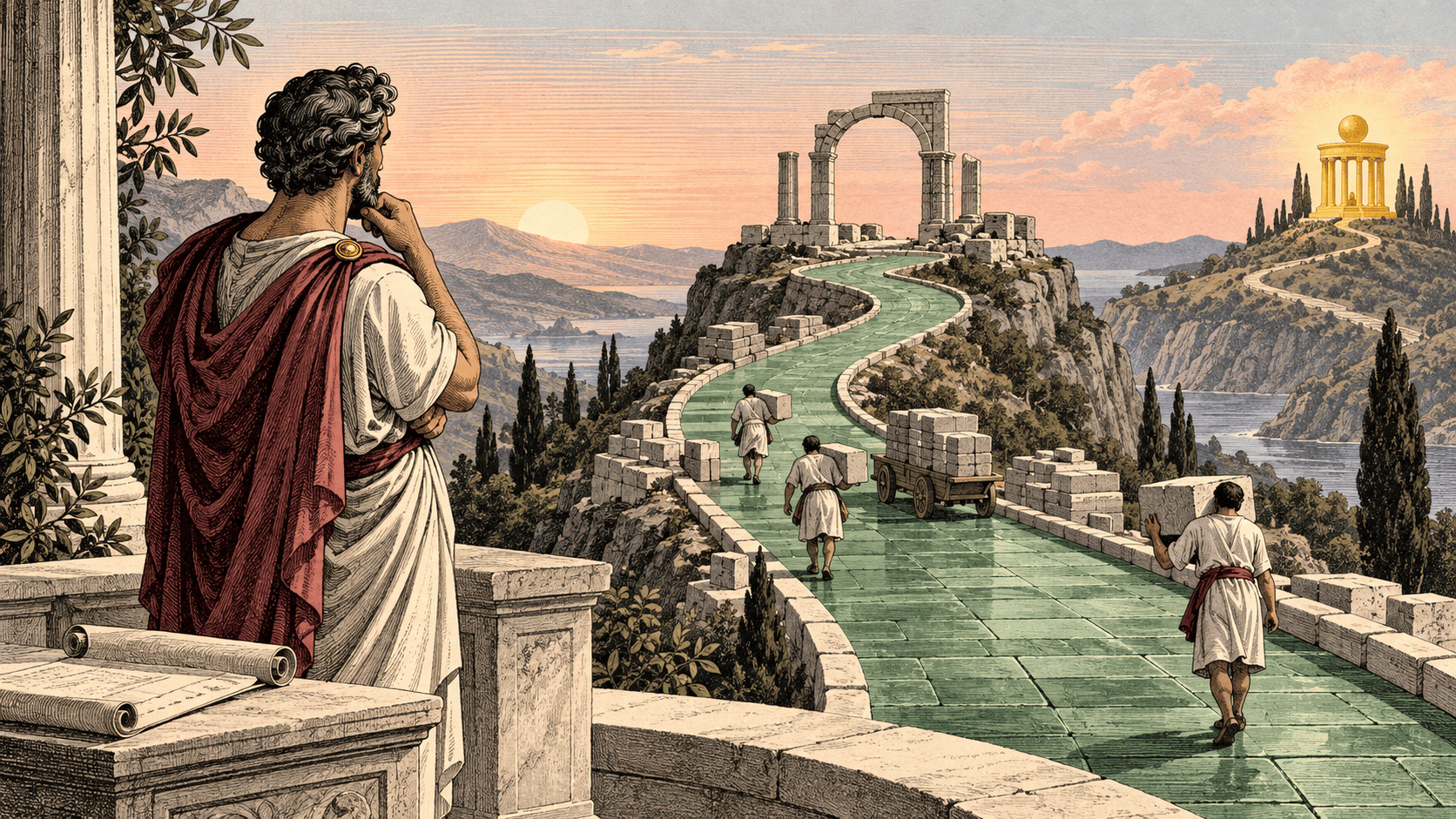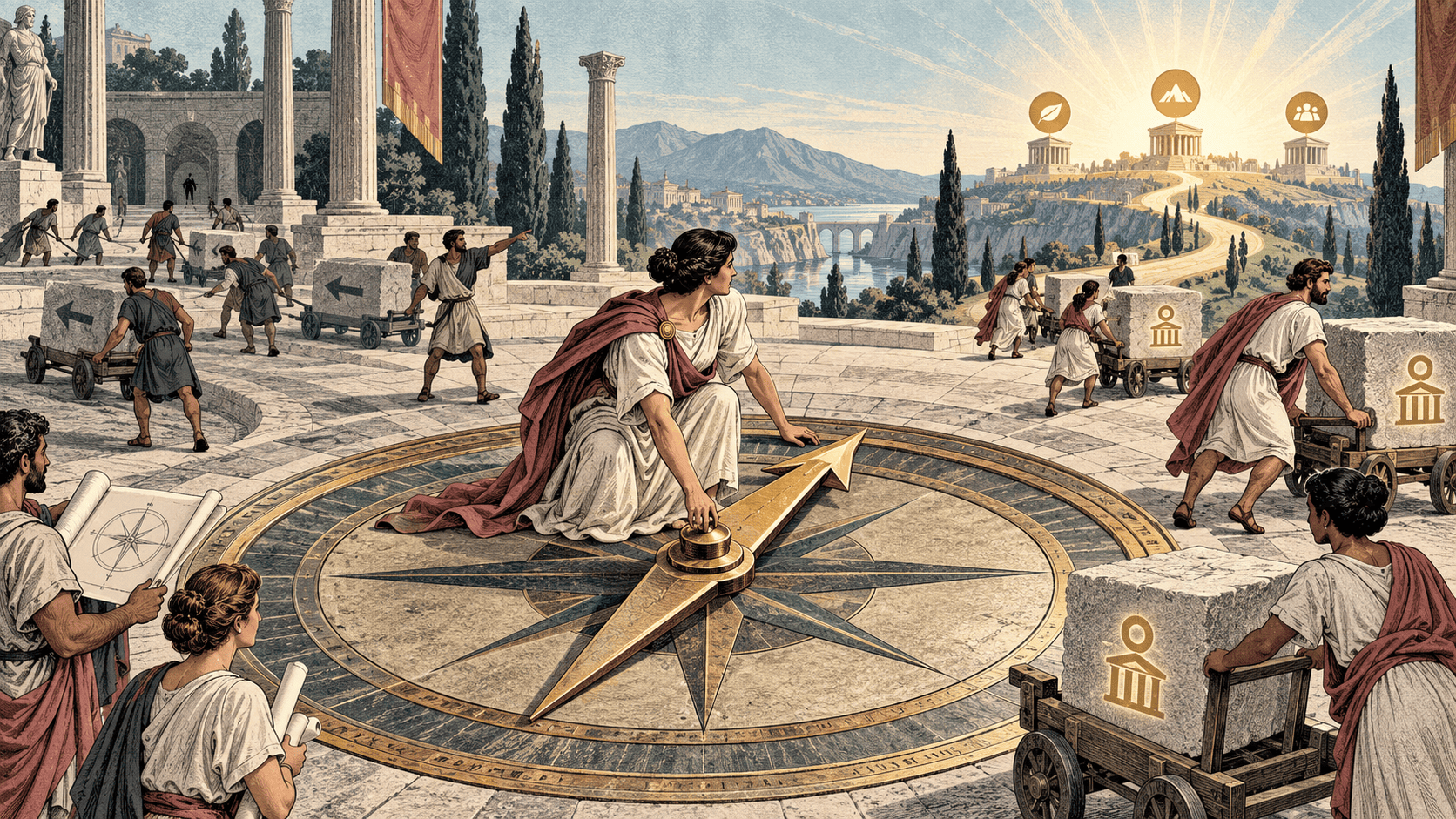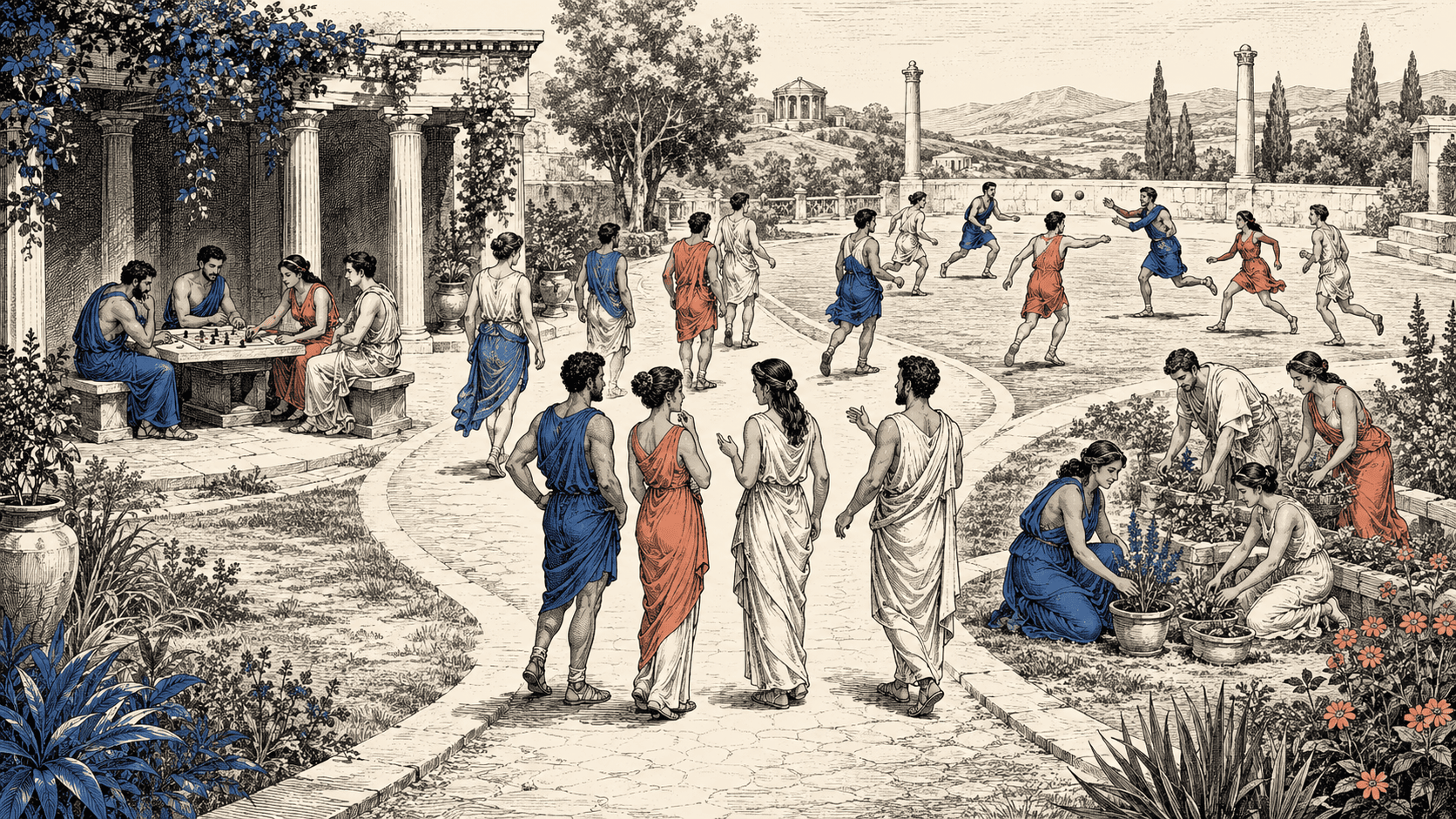
Before picking a single activity, understand this: workers are three to six times more likely to enjoy team building exercises if they had the freedom to choose to attend. Consent predicts enjoyment better than the activity itself. Given two similar events, the biggest difference in how they're received usually comes down to whether attendance felt like a choice.
Why 'Forced Fun' Backfires
If employees already have a positive view of work and their team, mandatory events can actively disrupt that. More than half of employees would opt in to team building events if given the choice, which means compulsory framing is often solving a problem that didn't need solving.
The backfire isn't limited to introverts skipping an activity they'd rather avoid. Forced participation in awkward or embarrassing activities can actively undermine trust rather than build it, and healthy teams naturally have more fun together anyway without needing manufactured bonding exercises.
There's also a credibility problem when the "fun" activity is secretly a performance evaluation. Nothing kills enthusiasm faster than realizing an escape room adventure is actually a performance evaluation wrapped in a thin layer of fun. Employees notice, and it poisons trust in future events too.
Ask Before You Book
The fix isn't a smarter guess, it's actually asking. Take ten minutes to create a simple survey before browsing a single vendor, since your workforce and their preferences have likely changed since the last event you ran.
Personalization matters more than most planners assume. A high-energy social activity might be a genuine nightmare for a team full of introverts, while a slow-paced activity can leave a competition-driven team checking their watches. There's no single activity that works for every team.
Activities Ranked by What Actually Works
A useful gut check: would you do this activity with your actual friends on a Saturday afternoon? If the honest answer is no, it's probably not going to land as team bonding either.
- Shared meals. The most consistently popular format, with 70 percent of employees giving a shared meal a thumbs up, though about a third don't want to travel far to get there.
- Purpose-driven activities. Volunteer or charity-linked activities add a layer of purpose that transforms the experience from mandatory fun into something people feel good about afterward, especially for teams with an existing giving-oriented culture.
- Activities that require different skills from different people. Formats like interactive mysteries work because they naturally give quieter, detail-oriented people a real role alongside more extroverted teammates, rather than one style of participation dominating.
- Casual, unstructured social time. Some of the best team building happens outside the structured activity entirely, in the natural conversation before, during, or after the official program.
How to Plan One, Step by Step
Step 1: Survey the team before choosing anything
A short, low-effort survey covering energy level, format preference, and any concerns takes ten minutes to build and changes the entire trajectory of the event.
Step 2: Make attendance genuinely optional where possible
Even a small amount of real choice, opting into one of two format options rather than a single mandatory activity, meaningfully changes how the event is received.
Step 3: Match the format to your actual team, not a generic best-of list
A team of introverts and a team of competitive extroverts need different formats entirely. Use survey results to pick accordingly rather than defaulting to whatever worked at a previous employer.
Step 4: Never disguise evaluation as fun
If there's any assessment component, even informal manager observation, say so upfront. Discovering it after the fact damages trust more than skipping the event would have.
Step 5: Build in real unstructured time, not just a packed schedule
Leave room for the casual conversation that often produces more genuine connection than the structured activity itself. This is also where a smaller-scale version of the same principle that works for full retreats applies: an agenda shaped by real input, rather than a planner's best guess, tends to land better. A short pre-event pulse survey does the same job here that a full pre-work process does for a leadership offsite, just at a lighter scale.
Step 6: Follow up and close the loop
After the event, follow up with photos, thank-you messages, and a brief survey, which closes the loop and provides real data for planning the next one instead of guessing again next time.
Team Building Format Comparison
| Format | Best for | Watch out for |
|---|---|---|
| Shared meal | Any team, low-risk default | Some prefer not traveling far |
| Purpose-driven / volunteer | Teams with a giving-oriented culture | Can feel forced for pure competition-driven teams |
| Interactive mystery / escape room | Mixed personality teams | Needs pre-assigned groups to avoid cliques |
| High-energy competitive activity | Competition-driven teams | Can alienate introverts if mandatory |
| Casual social / game night | Building organic connection | Low structure means lower perceived 'value' to some |
Quick Checklist
- Short survey sent before any activity is chosen
- Attendance made genuinely optional or choice-based where possible
- Format matched to actual team personality mix, not a generic list
- No hidden evaluation disguised as a fun activity
- Real unstructured time built into the schedule
- Post-event follow-up and feedback survey sent
Copy-Paste Scripts
Sending the pre-event preference survey:
"We’re planning the next team event and want it to actually be fun, not just another thing on the calendar. This 5-minute survey covers format, energy level, and any concerns, totally anonymous."
Framing attendance without making it feel mandatory:
"We’d love to see you at [event], but no pressure if it’s not your thing, there will be other options down the line too."
FAQ
What's the single biggest factor in whether employees enjoy team building?
Whether attendance felt like a genuine choice. Workers are several times more likely to enjoy an event they opted into versus one they were required to attend.
Should team building activities ever be mandatory?
Making attendance optional, or offering a choice between formats, consistently improves how the event is received compared to a single mandatory activity.
What's the most consistently popular team building format?
Shared meals, though roughly a third of employees prefer not to travel far for them.
How do you avoid team building feeling like a disguised performance evaluation?
Be upfront about any assessment component. Discovering it after the fact damages trust more than skipping the activity would.
Should team building activities be planned around a survey?
Yes. A short pre-event survey on format and energy preferences takes minutes to build and meaningfully improves the outcome.
Your Next Step
Send a short preference survey before you book anything for the next team event, and build in at least one real element of choice for attendees.