A checklist tells you what needs to happen. A timeline tells you when, and that distinction is what actually prevents the late-stage scramble. An event planning timeline breaks planning into distinct phases, each with specific tasks and deadlines, and scales with event size, which means the same checklist applied without a timeline attached tends to produce the same rushed final month regardless of how thorough the list was.
The Five Phases of Event Planning
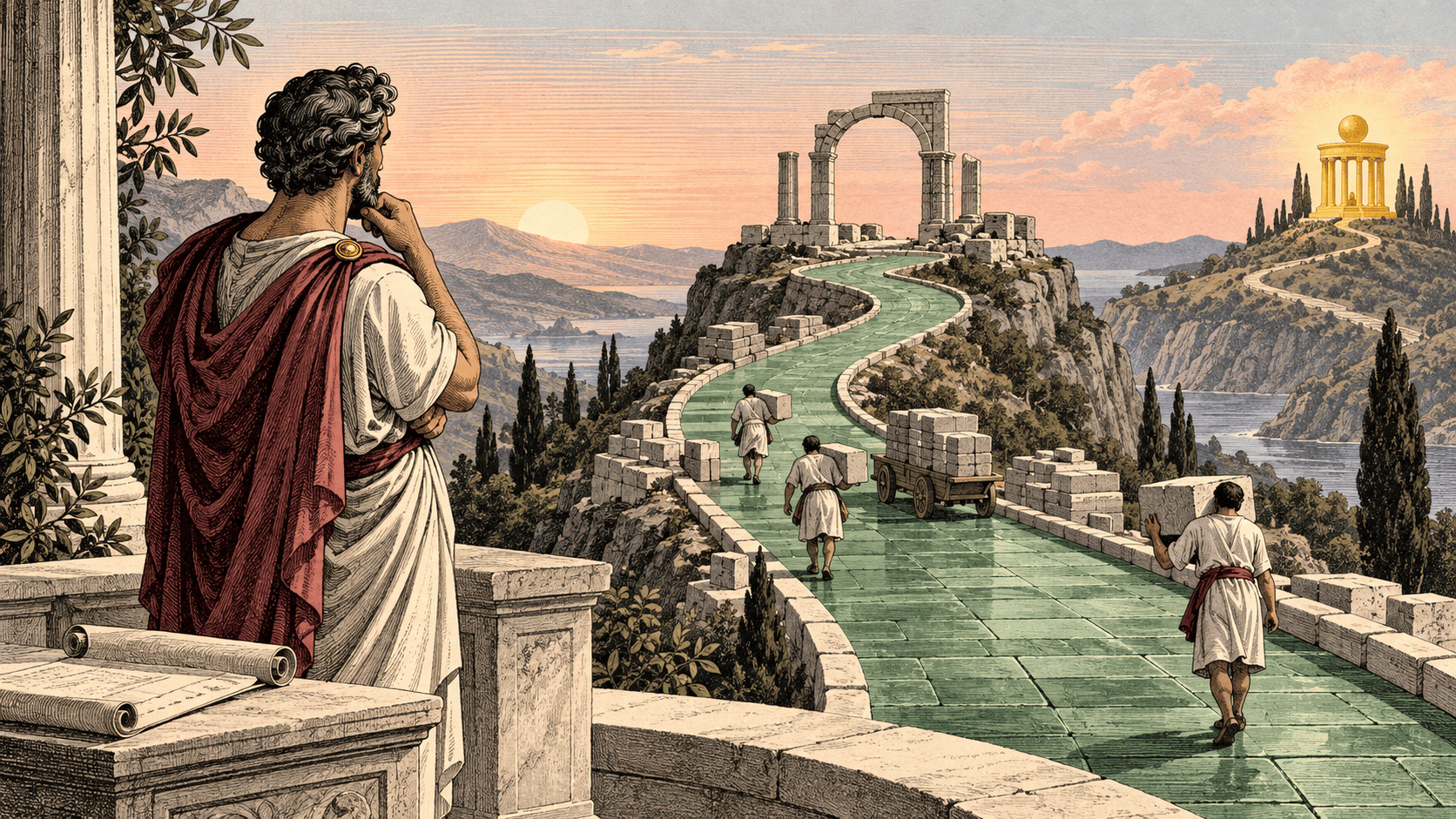
Most corporate event timelines break into five phases: early planning (6–12 months out), mid-planning (3–6 months), final preparations (1–3 months), event day execution, and post-event wrap-up. Each phase carries a different kind of decision, and trying to make final-preparation decisions during early planning, or vice versa, is a common source of wasted effort.
Early planning (6–12 months out)
This is where goals, budget, venue, and major vendor or speaker commitments get locked. Large corporate events typically need 6 to 12 months to secure venues, vendors, and speakers, and starting later consistently forces expensive last-minute compromises rather than deliberate choices.
Mid-planning (3–6 months out)
Agenda, programming, marketing or internal communication campaigns, and vendor coordination move from concept to confirmed detail during this phase.
Final preparations (1–3 months out)
Double-checking and rehearsing dominate this phase. Confirm final deliveries with vendors, run a dry run if possible, and build contingency plans for weather, technical issues, or last-minute cancellations.
Event day execution
The timeline becomes the day's roadmap. Check in with vendors, review the schedule regularly, and monitor attendee experience throughout, keeping communication lines open for quick problem-solving.
Post-event wrap-up
The work doesn't end when the last guest leaves. Post-event tasks include thank-you communications, feedback surveys, a budget-versus-actual review, and a team debrief to capture lessons learned.
How Timeline Length Scales With Event Type
The timeline isn't one-size-fits-all. A large conference or corporate gala might stretch over 12 months, while a smaller webinar or internal team event can be planned in 4 to 8 weeks. Matching the timeline to the event's actual complexity, rather than defaulting to the same schedule for everything, is what keeps a planning team from either scrambling or over-preparing.
Common Timeline Mistakes
- Starting late. The easiest way to let a corporate event get out of hand is starting the process late, which cascades into rushed decisions on every downstream item.
- Underestimating time and resource requirements. This is one of the most consistently cited best-practice violations, and it shows up as compromised quality under deadline pressure.
- No contingency planning. Events rarely proceed exactly as planned, and the timeline needs built-in slack for the things that won't go perfectly.
- No run-of-show document. Great day-of execution starts the night before with a minute-by-minute run-of-show document shared with every vendor and staff member ahead of time, not assembled the morning of.
How to Build Your Timeline, Step by Step
Step 1: Classify your event before building the timeline
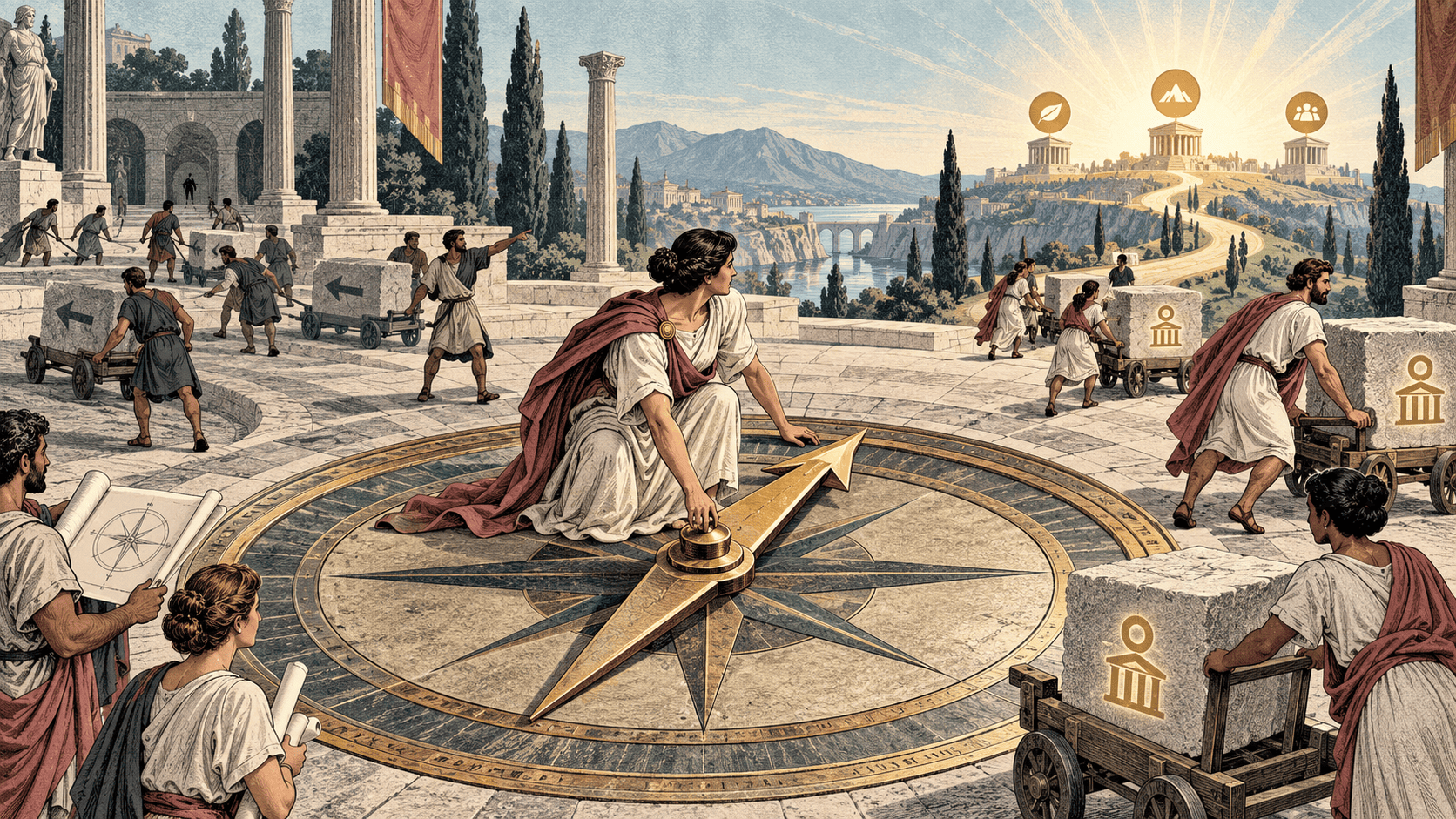
A large external conference, a mid-sized workshop, and a small internal team event need genuinely different timelines. Match the phase structure above to your event's actual scale rather than defaulting to the longest version.
Step 2: Work backward from the event date
Place the five phases on a calendar working backward from the event date, then check each phase's tasks against realistic vendor and venue lead times for your specific market.
Step 3: Build the run-of-show document during final preparations
This becomes the single source of truth for event day, shared with every vendor and staff member well before the event, not assembled the night before.
Step 4: Schedule the post-event debrief before the event happens
Put the debrief and feedback survey on the calendar during early planning, not as an afterthought once the event is over. Teams that skip this step consistently repeat the same avoidable mistakes at the next event.
Corporate Event Planning Timeline Table
| Phase | Timing | Key tasks |
|---|---|---|
| Early planning | 6–12 months out | Goals, budget, venue, major vendor/speaker bookings |
| Mid-planning | 3–6 months out | Agenda, programming, marketing/comms, vendor coordination |
| Final preparations | 1–3 months out | Confirmations, dry run, contingency plans |
| Event day | Day of | Run-of-show execution, vendor check-ins |
| Post-event | 1–2 weeks after | Thank-yous, surveys, budget review, debrief |
Quick Checklist
- Event classified by scale before building the timeline
- Five phases mapped backward from the event date
- Contingency plans built into final preparations, not added as an afterthought
- Run-of-show document created and shared with vendors before event day
- Post-event debrief and survey scheduled during early planning
What to say
Kicking off the early planning phase with stakeholders:
"We’re starting timeline planning for [event] today, which puts us in the early planning phase. I’ll need budget and goal sign-off by [date] so we can move on venue and vendor outreach on schedule."
Sharing the run-of-show document with vendors:
"Attached is the run-of-show for [date]. Please review your section and flag any timing conflicts by [date] so we can adjust before the final walkthrough."
FAQ
How far in advance should a corporate event be planned?
6 to 12 months for large events like conferences, and 4 to 8 weeks for smaller internal events or webinars.
What are the five phases of an event planning timeline?
Early planning, mid-planning, final preparations, event day execution, and post-event wrap-up.
What's the most commonly skipped step in event planning?
The post-event debrief and lessons-learned review, which directly affects whether future events improve.
What should be in a run-of-show document?
A minute-by-minute breakdown of every moving part of the event day, shared with every vendor and staff member in advance.
Does timeline length change based on event size?
Yes, significantly. Large conferences may need a full year, while small internal events can often be planned in under two months.
Your Next Step
Classify your next event's scale this week, then map the five phases backward from your event date before locking a single vendor.